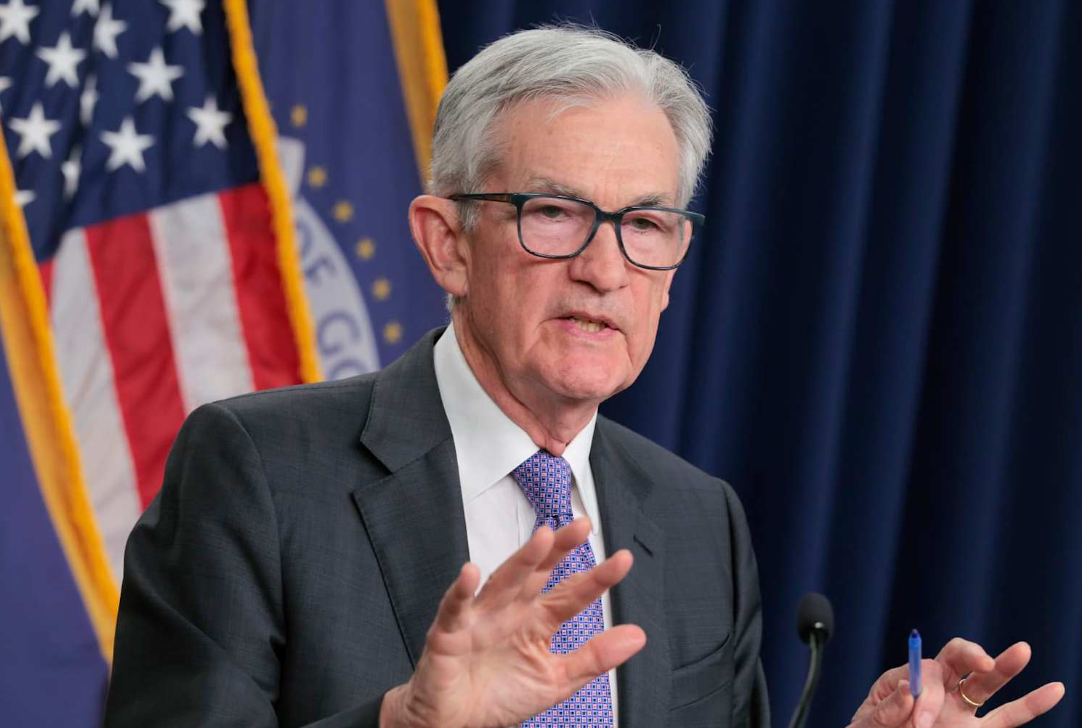
Jerome Powell just drew a line in the sand. The Federal Reserve kept its key interest rate locked at 3.5% to 3.75% on Wednesday, shrugging off direct pressure from President Donald Trump. This pause follows three straight quarter-point reductions late last year, a move markets saw coming from miles away.
Powell Faces Unprecedented Pressure
Powell faces a storm unlike any in modern Fed history. Trump has ramped up attacks, with the Justice Department probing the chair over congressional testimony tied to a $2.5 billion headquarters overhaul. Powell called it out bluntly in a rare January video: the subpoenas amount to a pretext for meddling in rate decisions. He framed it as punishment for putting the public interest over presidential wishes.
Split Boardroom, Mixed Data
The decision landed amid a split boardroom. Fed officials greenlit the hold after two days of deliberations by the Federal Open Market Committee. Inflation clocks in at 2.8% by the bank’s preferred gauge, stubbornly above the 2% goal. Unemployment eased to 4.4% in December, a sign the job market might be finding its footing after a shaky 2025. Yet three policymakers dissented on last month’s cut, exposing real cracks in the strategy.
Powell himself signaled this wait-and-see mode last month. “We’re well positioned to watch how things unfold,” he said. Markets bought it wholesale; traders pegged a 97% chance of no change via the CME FedWatch Tool. Futures now bake in just two quarter-point easings for the rest of 2026, with EY-Parthenon economist Gregory Daco betting the next one slips past June.
Independence Under Fire
This isn’t just numbers on a screen. It’s a high-stakes clash testing the Fed’s independence. Trump has long pushed for faster cuts to juice growth, but Powell’s crew prioritizes data over demands. The timing feels seismic: Powell’s chair term expires May 15, and Treasury Secretary Scott Bessent confirmed Wednesday that four names top Trump’s shortlist for a replacement.
Successor Contenders Emerge
Who might step in? BlackRock’s Rick Rieder, the firm’s chief bond strategist, brings Wall Street heft. Fed Governor Christopher Waller knows the system’s guts inside out. Ex-Governor Kevin Warsh offers hawkish cred from past cycles. National Economic Council Director Kevin Hassett rounds it out with White House policy chops. Bessent’s update keeps the speculation machine humming.
Global heavyweights are watching closely. European Central Bank leaders and others fired off a joint statement backing Powell, calling central bank autonomy the bedrock of stable prices and markets. Even the Supreme Court weighs in indirectly, mulling whether Trump can boot Fed Governor Lisa Cook from her post.
Markets Rally Amid Drama
Markets shrugged off the drama with a rally. The S&P 500 cracked 7,000 for the first time ever before the announcement, fueled by rate hold optimism. Gold blasted past $5,300 an ounce, a fresh peak, while the dollar index sank to four-year troughs. Investors seem to bet on steady policy trumping political noise, at least for now.
Economic Backdrop
Zoom out, and the big picture sharpens. The U.S. economy hummed through 2025 despite fits and starts: GDP growth held above 2%, consumer spending powered on, but sticky inflation and softening jobs kept everyone guessing. The Fed’s three cuts totaling 75 basis points aimed to cushion a slowdown without reigniting price spirals. Wednesday’s hold says they’re not rushing more.
Powell’s navigation act grows bolder by the day. That January video broke norms; chairs rarely go public like that mid-cycle. It came days after the DOJ subpoenas dropped, targeting his testimony on the Fed building’s ballooning costs. Critics see it as Trump testing boundaries, probing whether the executive can bend monetary policy to fiscal whims. Powell’s retort: no dice.
Internal Dissent Signals Tension
Dissent inside the Fed underscores the tension. Those three no-votes in December wanted to hold fire even then, wary of overstimulating. The dot plot from prior meetings projected gradual easing, but today’s pause tilts dovish signals toward patience. Powell’s presser likely doubled down: expect data-dependent moves, not calendar-driven ones.
Trump’s rate pressure isn’t new. During his first term, he hammered Powell publicly, dubbing him an enemy for lifting rates. Now, with inflation cooling but not conquered, the playbook repeats. Yet Powell holds ground, citing dual mandate duties: maximum employment and price stability. Unemployment at 4.4% feels solid, but below the natural rate estimates around 4.2%? That hints at balance.
Inflation’s the wildcard. PCE at 2.8% beats core readings, with shelter costs and services dragging. Energy prices eased, but wage growth ticks up, feeding pass-through fears. The Fed eyes it all, waiting for conviction that 2% sticks. Markets price calm, but volatility lurks if politics intrude harder.
Global Echoes
International solidarity matters too. ECB peers and beyond rallied around Powell, invoking stability norms forged post-2008. It’s a reminder: U.S. policy ripples worldwide. A politicized Fed could spark capital flight, currency wars, or worse.
Markets’ glee tells a story. S&P’s milestone reflects earnings power and buyback bonanzas, not just rates. Gold’s surge screams safe-haven bets amid dollar weakness; the index at multi-year lows boosts exporters but pinches importers. Crypto flickered too, with Bitcoin eyeing $100K on loose dollar vibes.
What’s Next?
What’s next? June emerges as the pivot, per Daco and futures. But Powell’s term end looms larger. A Trump appointee could shift dots toward aggressive easing, aligning with growth agendas like tax cuts or tariffs. Or not; insiders like Waller might preserve continuity.
This saga spotlights a core question: can the Fed stay above the fray? Powell bets yes, armed with statute and precedent. Trump tests no, wielding appointments and probes. History sides with independence, but 2026 tests it raw.
Labor data rolls in Friday, with payrolls eyed for clues. Will jobs surprise up, easing cut odds? Or weaken, forcing hands? Inflation prints follow, PCE core perhaps dipping under 3%. Politics aside, that’s the real driver.
For investors, the hold buys time. Borrowers exhale on steady mortgage math. Savers grumble at yields, but bonds rally. Businesses plan amid uncertainty. Everyday Americans feel it in gas pumps, grocery lines, job hunts.
Powell’s stand invites scrutiny. Did politics sway the pause, or data dictate? Dissenters hint at unease. Global backing bolsters, but Supreme Court rulings could crack the armor.
As 2026 unfolds, watch the boardroom battles. Trump’s picks reshape the map. Markets climb records, but undercurrents churn. Independence holds, for now. But how long? That’s the thread pulling us forward. What do you see breaking first: politics or patience?